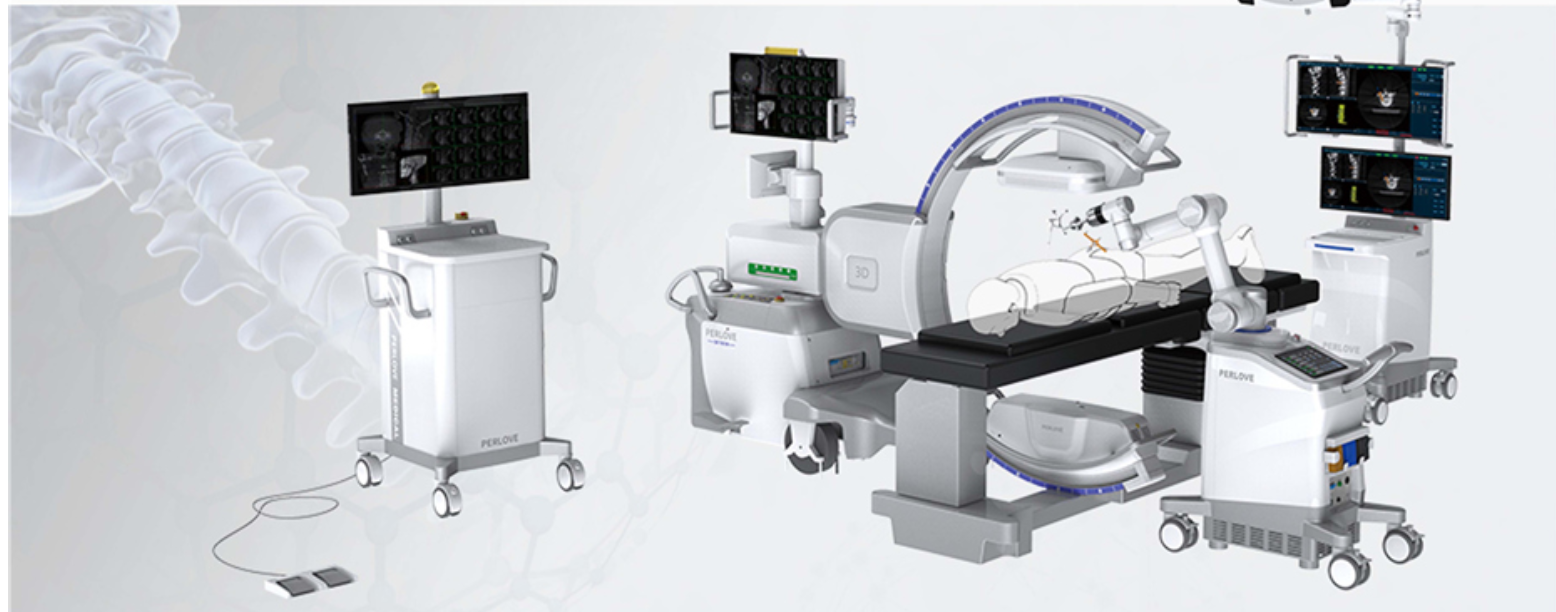
Robot control technology is increasingly used in medical and surgical fields today, for example:
- Professional rehabilitation applications
- Minimally invasive surgery
- Intraoperative radiotherapy
- Improved breast cancer diagnosis
- Bone surgery and non-contact bone treatment
- Orthopedic surgery
- Angiography and hybrid operating room systems
- Cosmetic surgery
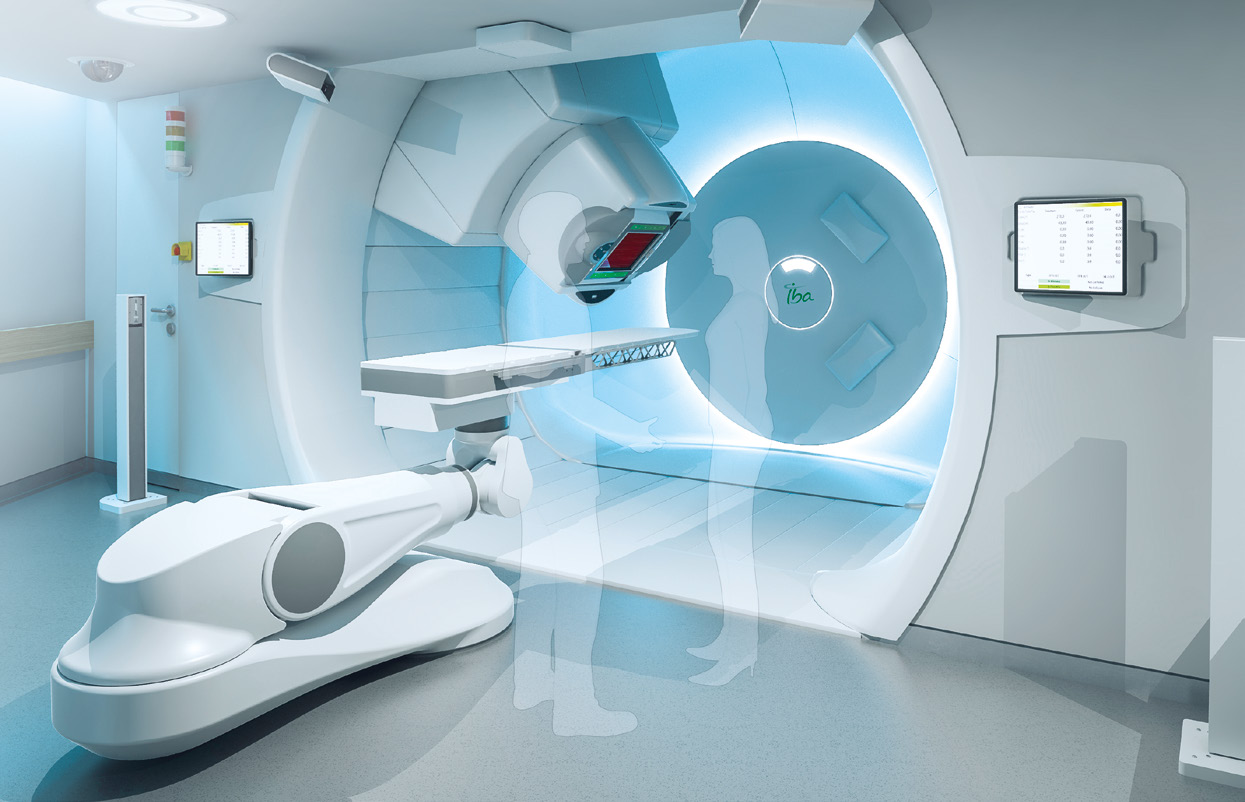
Proton Center Treatment Table
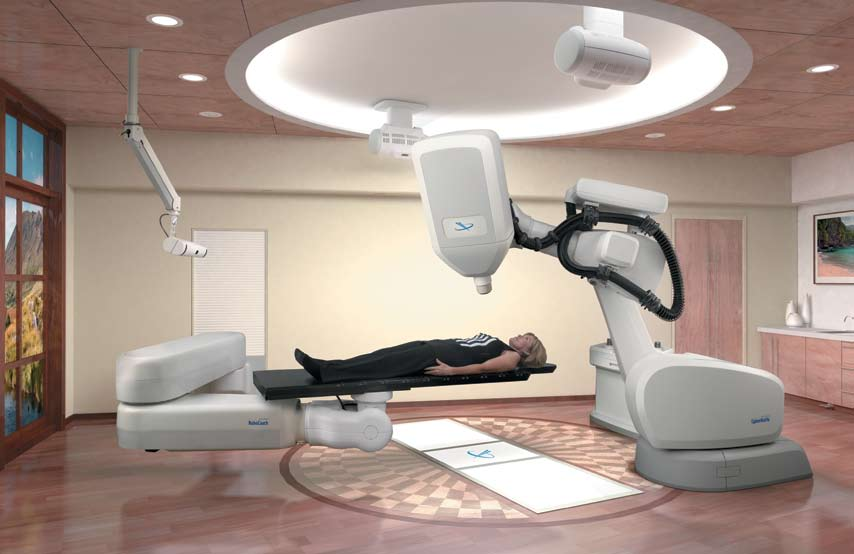
With the introduction of radiotherapy, tumor treatment has begun to rely on precise robot-assisted control technology for accurate patient positioning. Proton therapy equipment is the world's most advanced non-invasive tumor treatment method today.
The proton center treatment table (patient-carrying system) can carry loads up to 300 kg and is used as a patient positioner in proton therapy centers, with end-effector accuracy below 0.5 mm. The precision algorithms and error compensation technology developed by INEXBOT for this field have achieved localization of this equipment category and are now applied in multiple proton therapy centers.
X-ray/CT Center
Using articulated robots to replace C-arm X-ray machines or CT machines can provide higher operating precision and achieve 3D imaging effects directly in the operating room.
Orthopedic Robot
Orthopedic robots can rely on vision technology to help doctors with auxiliary lesion localization, providing pre-operative surgical process planning, screw insertion positions, surgical visualization guidance, and other operations.
Based on robot simulation and force control technology, automatic obstacle avoidance can be achieved, preventing unexpected surgical accidents.