Pain Points of Traditional Palletizing Systems
The main inconveniences of traditional palletizing systems stem from complex operation, low intelligence, heavy labor dependence, and low efficiency. These pain points are driving palletizing technology toward intelligence, simplicity, and high efficiency.
Complex Operation and Poor Programming User Experience
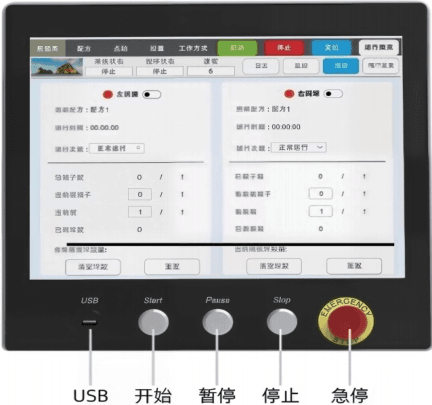
Unfriendly human-machine interface: the operating interface mostly uses outdated professional jargon and complex menus, which is unfriendly to frontline operators and leads to a high risk of misoperation.
Inconvenient programming: teach programming and code programming have high entry barriers. Even simple stack pattern adjustments require the intervention of suppliers or senior engineers, leaving factories with poor autonomy.
Weak Stack Pattern Design and Optimization Capability
Dependence on static templates: stack patterns are usually pre-designed by engineers in offline software, and the system only executes mechanically. When encountering new products or special stacking requirements (such as mixed stacks, promotional display stacks), complex manual calculation and simulation must be redone, with slow response.
Low space utilization: fixed stacking patterns cannot adaptively adjust to slight changes in carton dimensions (such as thickness differences between different batches of cartons), resulting in unreasonable space utilization.
Stringent Requirements for Palletizing Accuracy
Low tolerance for packaging quality: traditional systems require standard carton dimensions, clear printing, and flat sealing. If cartons are slightly deformed, sealing tape is lifted, printing is blurred, or the box surface is wet, it is very easy to cause gripping errors, stack collapse, or uneven stacking.
Sensitivity to bottom pallet quality: if wooden or plastic pallets have damage, burrs, or dimensional deviations, traditional systems may not guarantee palletizing accuracy and stability.
Efficiency Bottlenecks
Cycle time matching issues: traditional systems may not match the cycle time of the upstream packaging line and conveyor line, easily forming production bottlenecks that require buffer zones to coordinate, increasing space occupation.
Safety Limitations
Single trajectory planning: if unexpected interference occurs within the palletizing range (such as cargo offset), obstacle avoidance is impossible; the robot often needs to stop and replan a long path, wasting effective working time.
Dependence on physical protection: traditional palletizing areas often require fencing or light curtains, affecting the convenience of personnel approaching for maintenance or adjustment. Difficult human-robot collaboration: lacking intelligent obstacle avoidance or human-robot collaborative design, safe and efficient collaboration in human-robot mixed scenarios is difficult to achieve.
Industry Trends and Drivers
Efficiency Driven
Labor costs continue to rise, and enterprises have higher requirements for the ROI of "replacing humans with machines". Palletizing efficiency (such as multi-pick multi-place) has become a key indicator.
Flexible Production
The market is shifting toward "multi-variety, small-batch", requiring palletizing equipment to change over quickly, with strong recipe management and flexible stack pattern setting capabilities.
Safety Compliance
Human-robot collaboration scenarios are increasing, imposing mandatory requirements on equipment safety protection (such as safety radar and collision detection).
Usability and Maintainability
Enterprises want to reduce dependence on professional engineers, pursuing an "out-of-the-box, simple training to get started" operating experience.
INEXBOT Intelligent Palletizing Solution
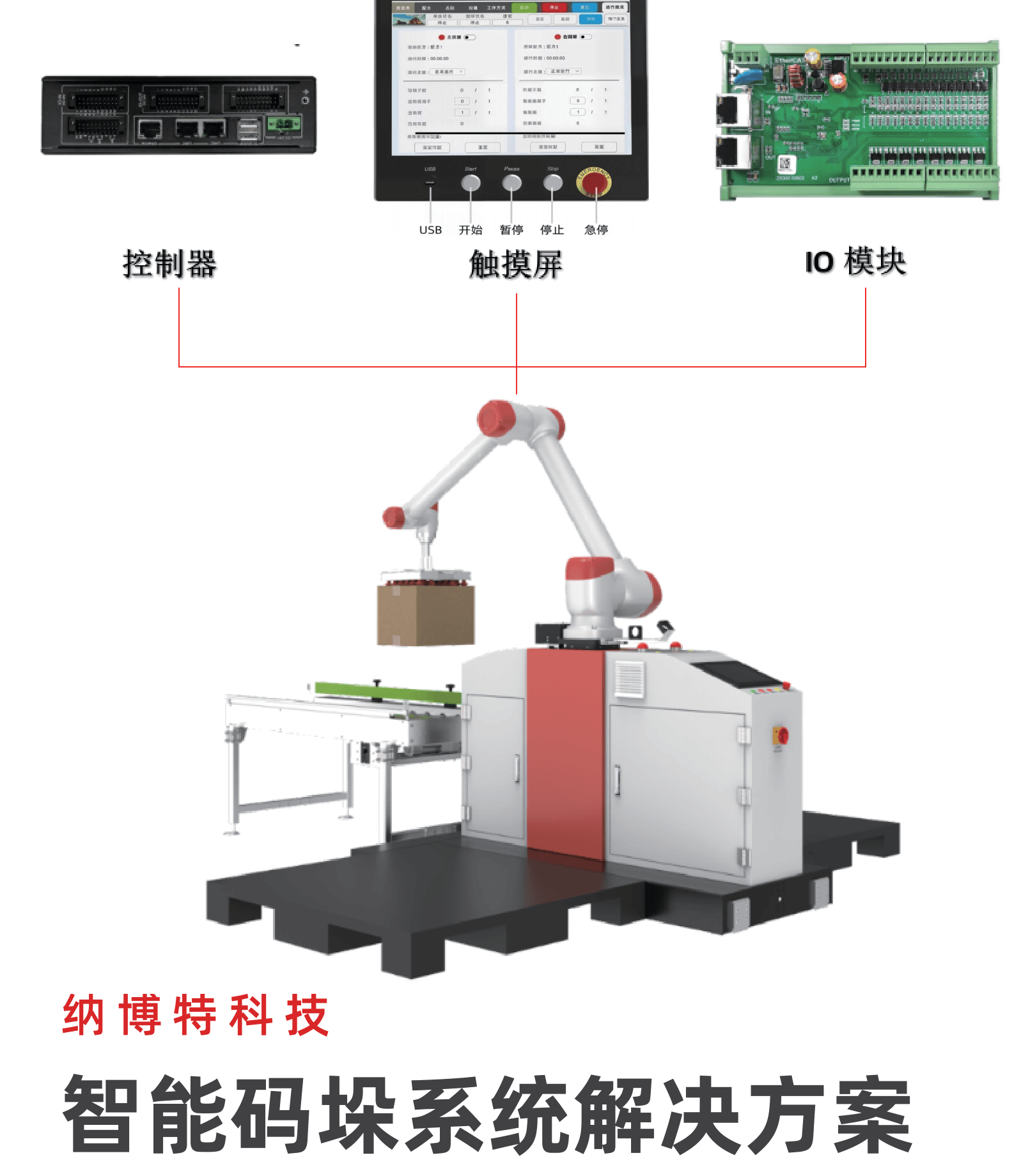
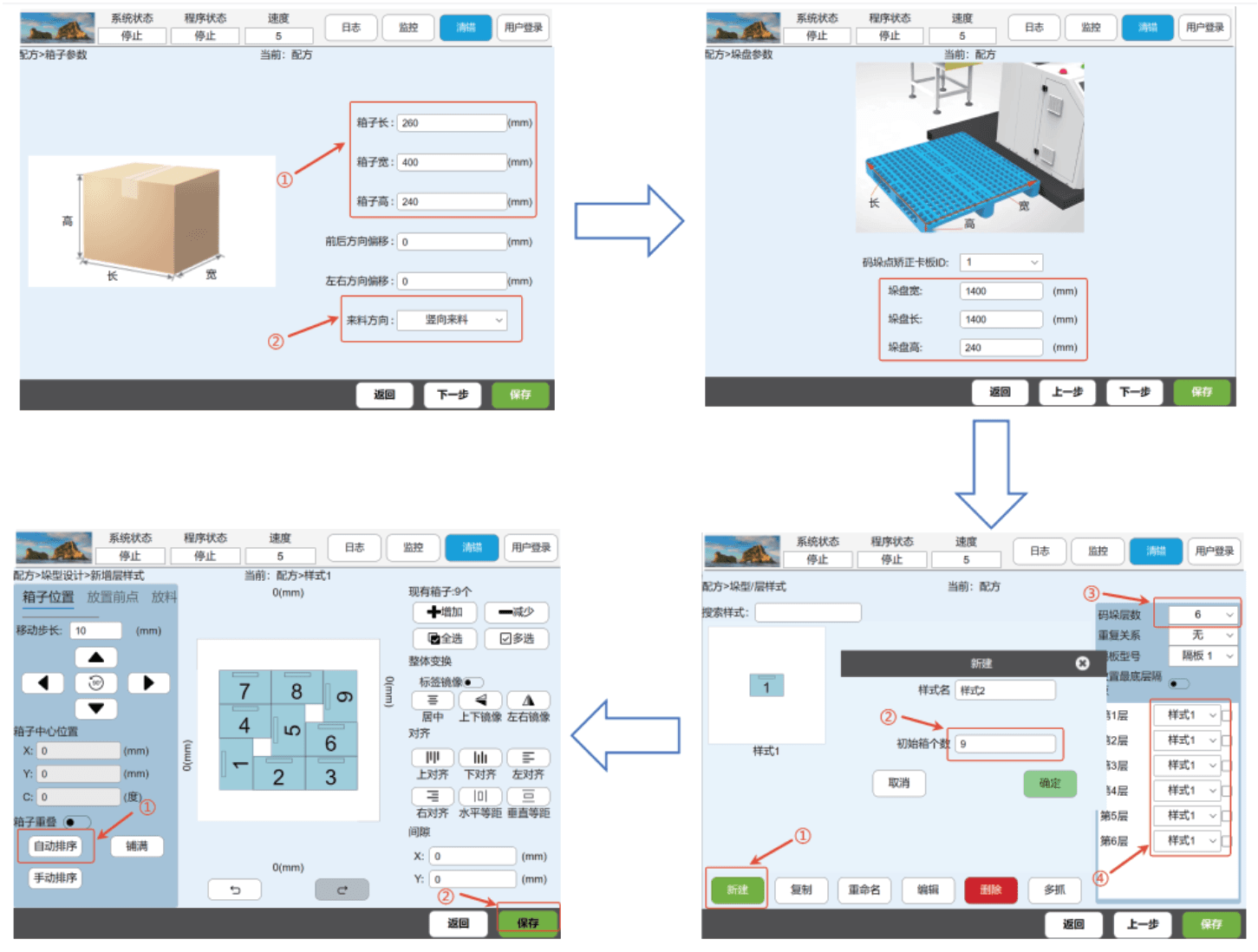
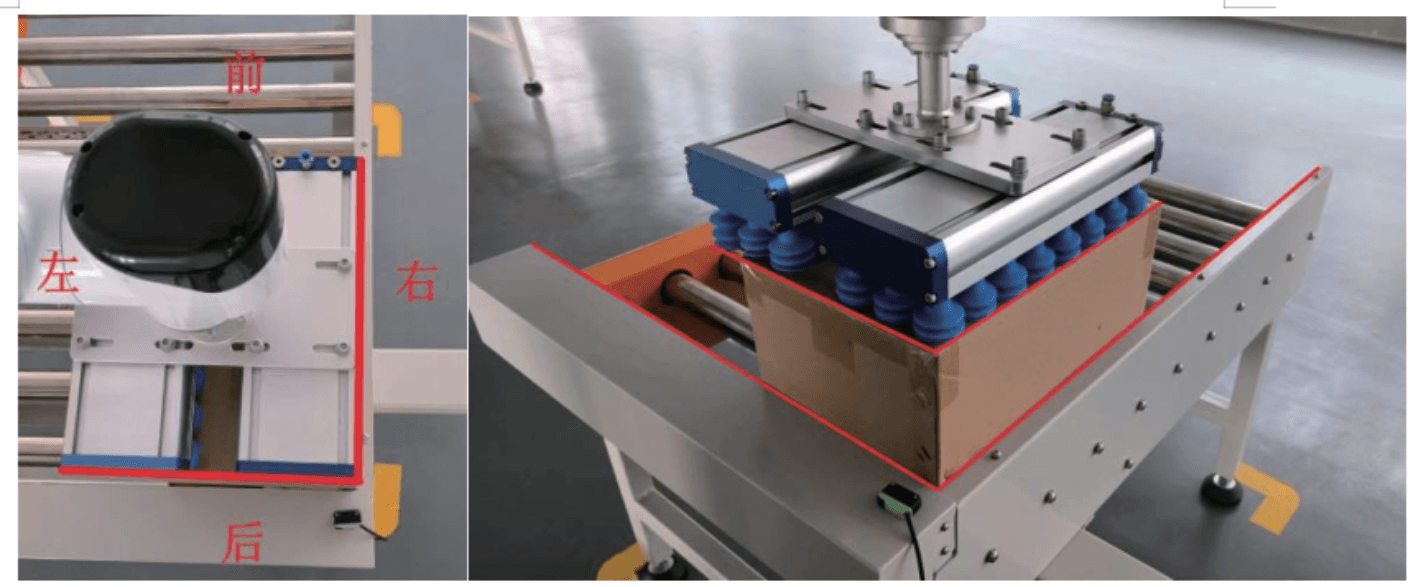
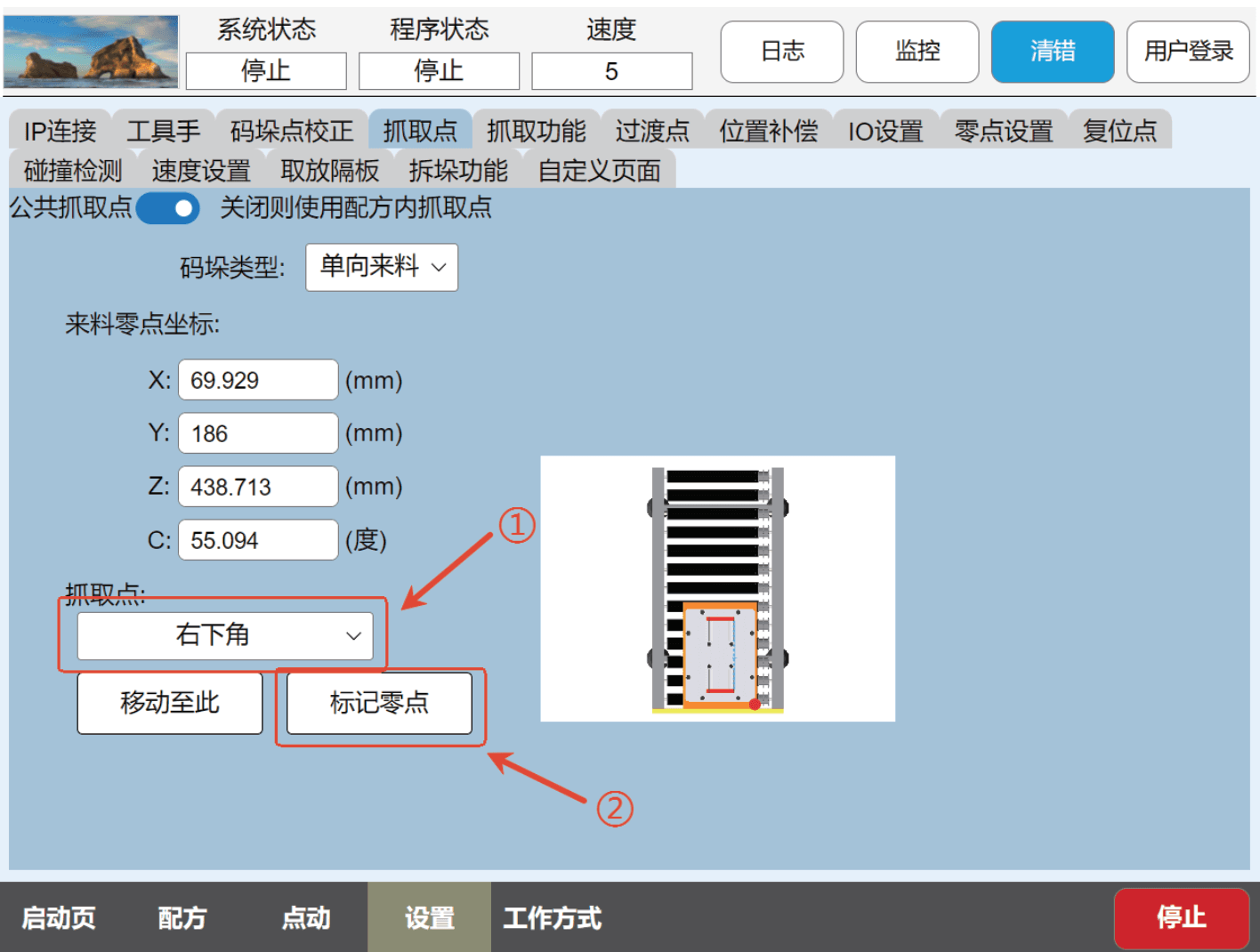
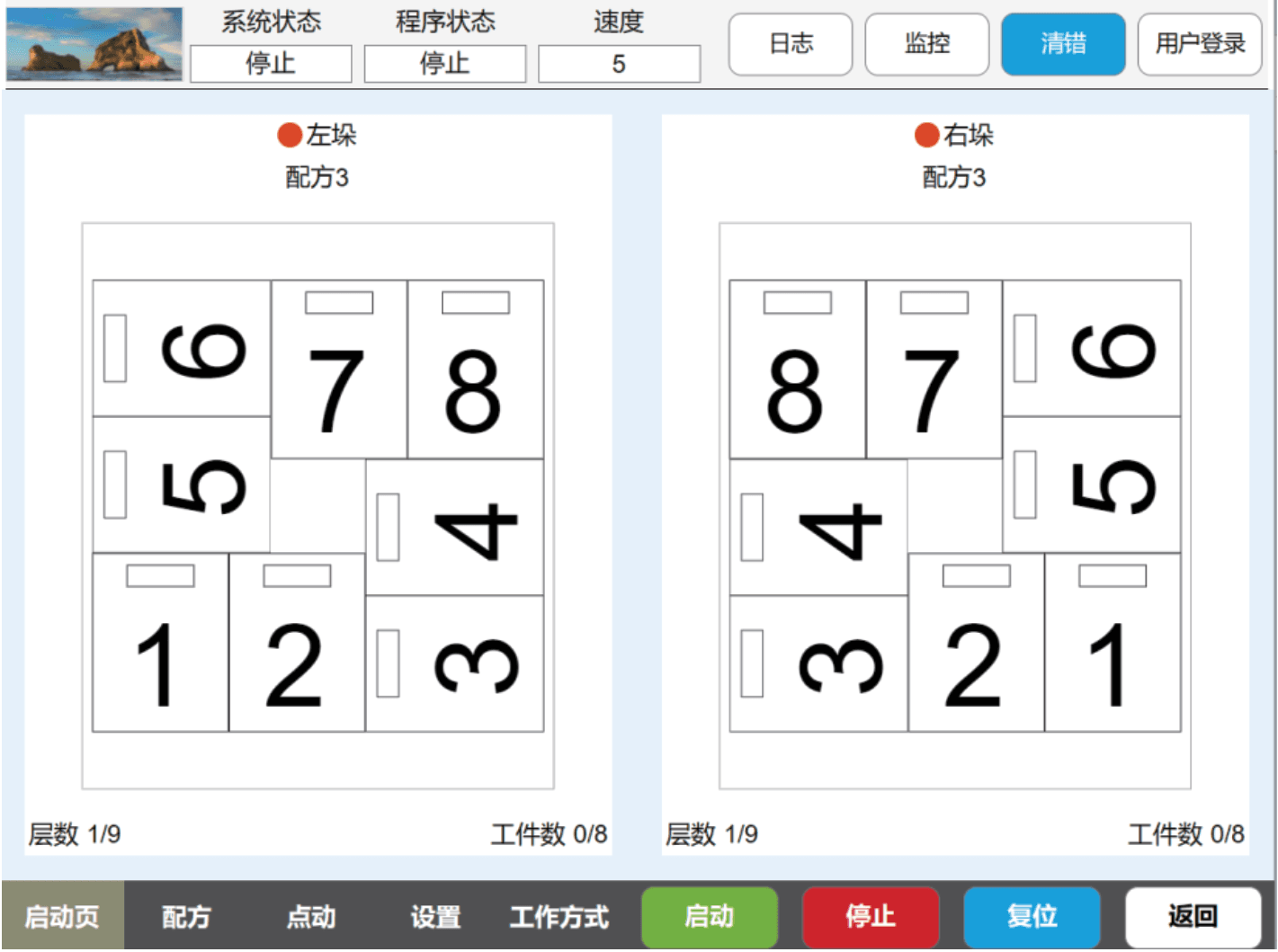
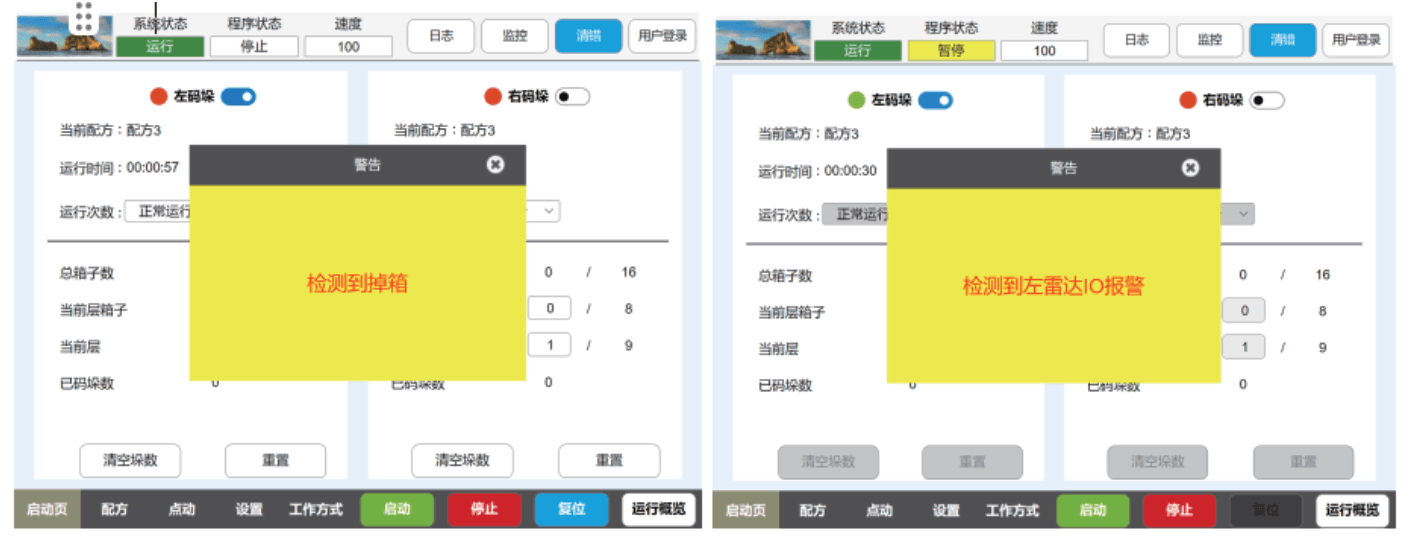
In response to the pain points of traditional palletizing, INEXBOT has launched a new generation intelligent palletizing solution. With "minimal operation, flexibility and efficiency, safety and reliability" at its core, the solution features minimal recipe settings, single-point calibration, dynamic stack pattern adaptation, intelligent safety protection, and depalletizing. Using integrated motion controller + display hardware, it achieves plug-and-play, greatly lowering the usage threshold, allowing customers to deploy quickly and master it easily, effectively solving labor dependence, efficiency bottlenecks, and flexible production challenges.
The solution has upstream and downstream connectivity capabilities; the system can seamlessly integrate with other automated packaging equipment such as conveyors, stretch wrappers, and box openers, effectively simplifying the process flow.
One-Click Import and Export
Supports one-click import and export of system configuration. After completing the perfect configuration of one device, it can be quickly copied 1:1 to all similar devices, greatly simplifying batch deployment and maintenance.